
Lower heating and cooling costs
By slowing heat transfer through ceilings, walls and floors, bulk insulation reduces the workload on heaters and air conditioners. In Melbourne’s climate, this can lead to significant savings on energy bills.
Brunswick West
Bulk insulation traps still air to slow heat flow through your ceilings, walls and floors. In Brunswick West’s older weatherboard and brick homes, it cuts winter heat loss and summer heat gain, lowering heating and cooling costs year-round.
Share your details and Expert Insulation Melbourne will contact you about Bulk Insulation in Brunswick West.
Bulk insulation uses materials like glasswool, polyester or rockwool batts to resist heat flow by trapping still air. In Brunswick West, it is fitted between ceiling joists, inside wall cavities during renovations, or under suspended timber floors to improve thermal comfort. The higher the R-value, the greater the thermal resistance, with ceilings commonly using R4. 0 to R6.
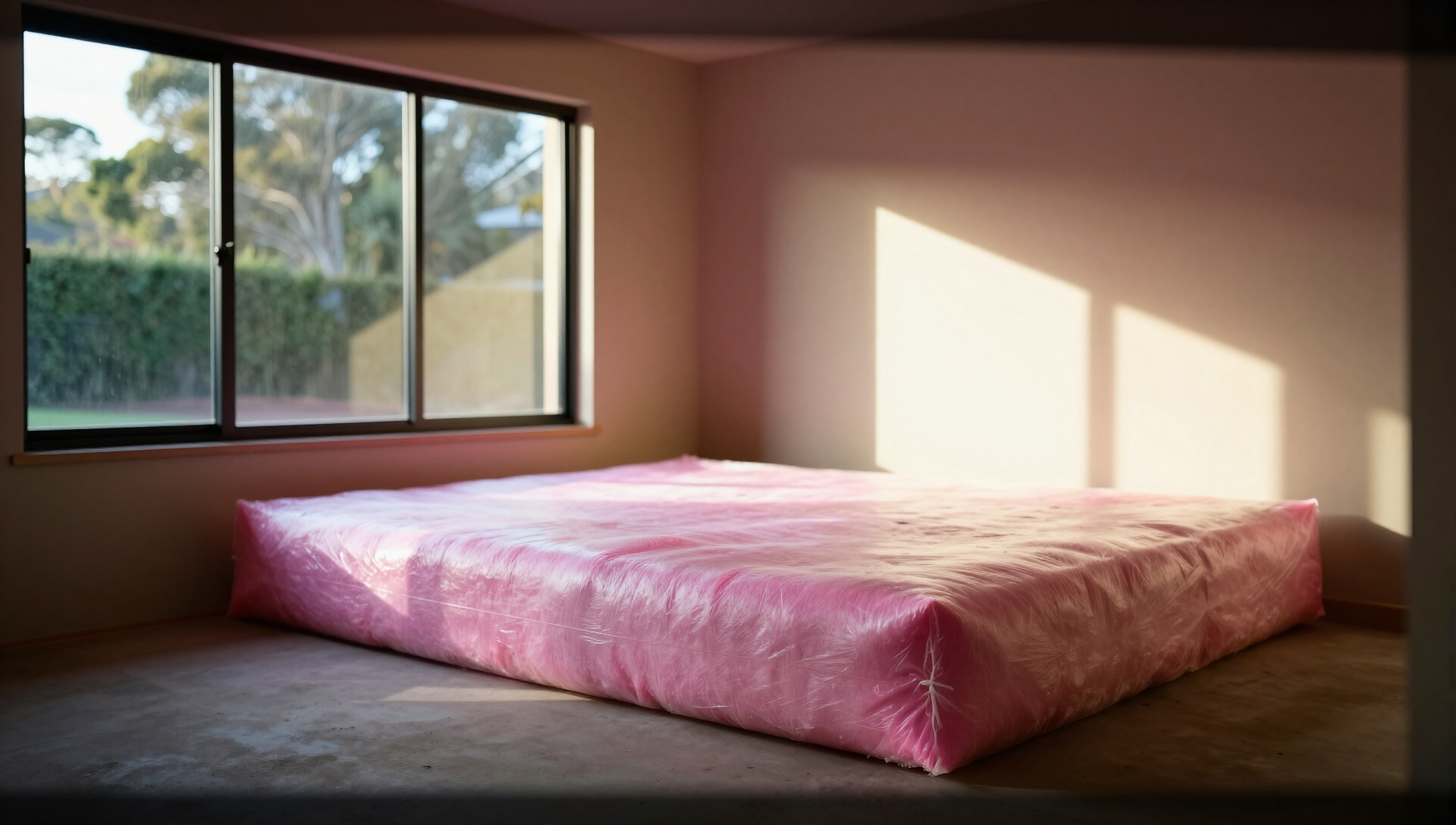
Brunswick West’s mix of weatherboard, brick veneer and postwar homes often have little or no insulation. Bulk batts address the main paths of heat loss and gain, making a noticeable difference to comfort and energy use.
By slowing heat transfer through ceilings, walls and floors, bulk insulation reduces the workload on heaters and air conditioners. In Melbourne’s climate, this can lead to significant savings on energy bills.
Bulk batts keep warmth in during cold winters and heat out during hot summers. This evens out indoor temperatures, reducing cold spots and overheated rooms.
When installed properly, bulk insulation also helps seal gaps and cracks in the building envelope, cutting draughts that make rooms feel colder than they are.
Dense batts absorb sound, so bulk insulation in internal walls and ceilings can dampen noise transfer between living spaces, bedrooms and home offices.
Glasswool and polyester batts do not settle or degrade over time if kept dry. Once installed, they continue to perform for decades without needing replacement.
Rockwool batts are non-combustible and resist moisture, making them a good choice for areas prone to damp or where fire resistance is a priority.
We start with a thorough inspection of your roof space, wall cavities or subfloor to check access, existing insulation and any issues like old compressed batts or ceiling dust. Then we recommend the right material and R-value for your home and budget.
We measure the area to be insulated and note any obstacles such as downlights, cables, flues or limited access. For walls, we confirm the stud spacing and cavity depth.
Based on your home’s construction and your priorities, we advise on glasswool, polyester or rockwool batts and the appropriate R-value. Ceilings typically use R4.0 to R6.0, walls R2.0 to R2.7, and underfloor R1.5 to R2.5.
We clear the roof space of loose debris and dust where needed, and ensure safe access. For wall insulation, we prepare the cavity entry points during renovations or new builds.
Batts are cut to fit snugly between joists or studs without compression, which reduces their R-value. We maintain required clearances around downlights, flues and electrical cables to meet safety standards.
Brunswick West’s older weatherboard and brick veneer homes often lack insulation or have thin, compressed batts that no longer perform. Bulk insulation in the ceiling is the fastest way to cut winter heat loss, while wall and underfloor batts further improve comfort. With Melbourne’s cold winters and hot summers, proper insulation makes a real difference to how your home feels and how much you spend on energy.
Reduce heat loss and energy bills with glasswool or polyester batts in ceilings, walls and floors.
Homeowners in Brunswick West often ask about the best R-value for their home, whether old batts need removing, and how long installation takes. Here are the answers.
Bulk insulation in Brunswick West slows heat flow by trapping still air within glasswool, polyester or rockwool batts. In the roof space, batts are laid between ceiling joists to reduce winter heat loss, which is the main source of energy waste in uninsulated homes. For walls, batts are installed into open stud frames during renovations or new builds, while underfloor batts are fitted between floor joists from the subfloor in suspended timber floors.
The R-value measures thermal resistance, with higher numbers providing better insulation. Ceilings in Melbourne commonly use R4.0 to R6.0 batts, walls R2.0 to R2.7, and underfloor R1.5 to R2.5. The right R-value depends on your budget, climate exposure and how long you plan to stay in the home. Glasswool is a cost-effective choice, polyester is itch-free and moisture resistant, and rockwool offers non-combustibility and acoustic benefits.
Signs your Brunswick West home needs bulk insulation include cold floors in winter, rooms that are hard to heat or cool, high energy bills, and visible gaps or thin batts in the roof space. If old batts are compressed, wet or damaged, they should be removed before new insulation is installed. Cost depends on the area to cover, access difficulty, roof pitch, and whether removal of old material is required.
Improve comfort and cut energy costs with bulk insulation tailored to your Brunswick West home. We install glasswool, polyester and rockwool batts in ceilings, walls and floors.