
Lower heating costs in winter
Uninsulated brick veneer walls lose heat rapidly. Cavity insulation slows this heat loss, so your heater runs less often and your energy bills drop.
Brunswick West Wall Insulation
Cavity wall insulation for brick veneer homes in Brunswick West. We inject bulk insulation into the wall cavity through small holes, then patch them neatly. This stops draughts, reduces winter heat loss and lowers your heating bills.
Share your details and Expert Insulation Melbourne will contact you about Cavity Wall Insulation in Brunswick West.
Cavity wall insulation fills the gap between the inner and outer leaves of brick veneer walls with bulk material. In Brunswick West, many postwar and 1960s to 1990s brick veneer homes have empty cavities that let cold air in and warm air out. We drill small access holes in the mortar, inject the insulation and seal the holes to match your brickwork.
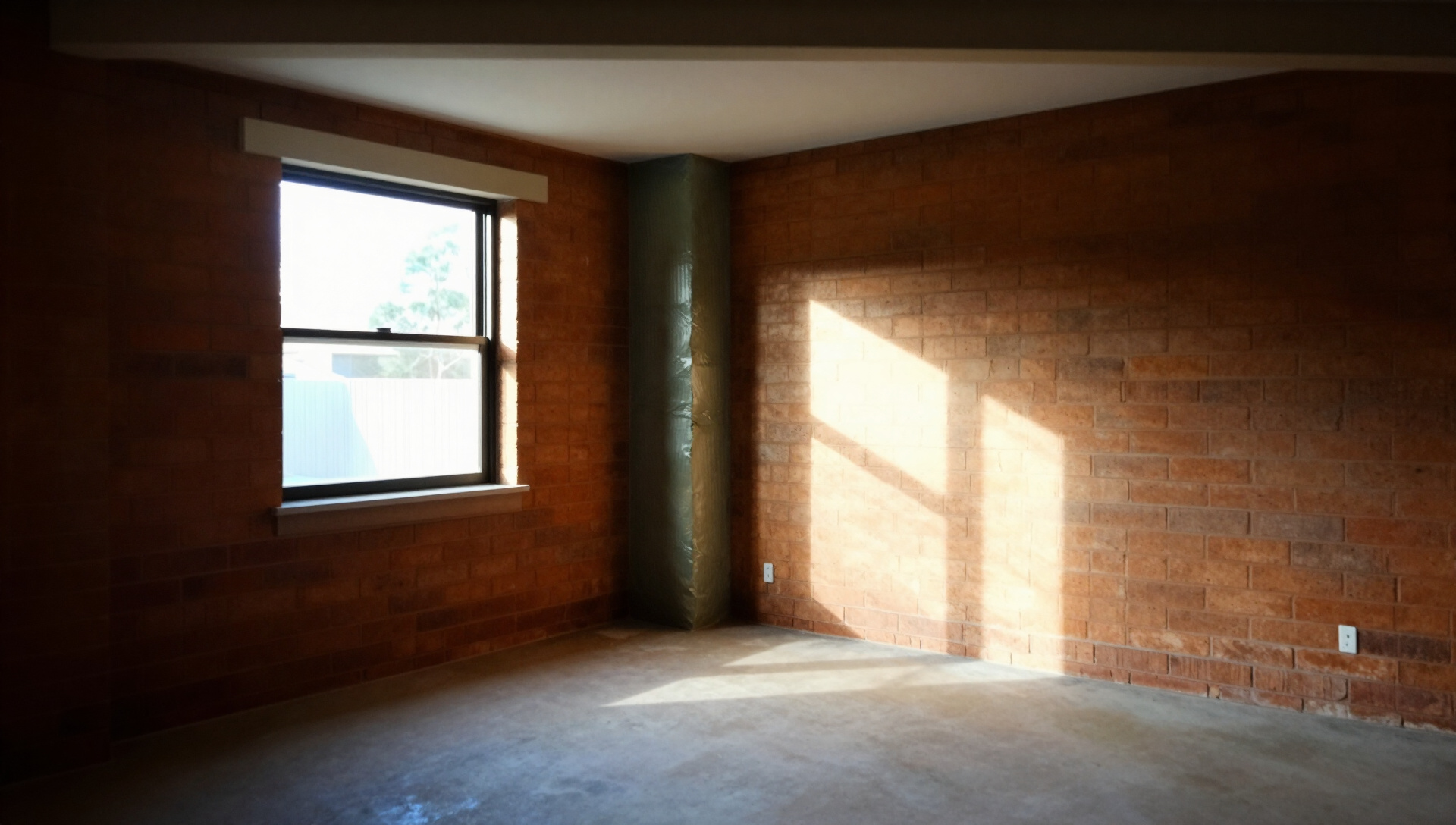
Brunswick West has many brick veneer homes built when insulation standards were lower. Without cavity insulation, these walls allow significant heat transfer, making rooms colder in winter and harder to heat. Filling the cavity improves thermal resistance and comfort year round.
Uninsulated brick veneer walls lose heat rapidly. Cavity insulation slows this heat loss, so your heater runs less often and your energy bills drop.
Gaps in mortar and around windows let cold air enter. Insulating the cavity blocks these draughts, evening out temperatures and eliminating cold patches near walls.
While the main benefit is winter warmth, cavity insulation also slows summer heat gain through walls, helping your home stay cooler during Melbourne’s hot spells.
Unlike wall batts that require opening up the wall, cavity insulation is installed from the outside. This makes it a cost-effective option for existing homes.
The insulation material also absorbs some external noise, reducing traffic and neighbourhood sounds that carry through thin brick veneer walls.
Modern cavity insulation materials do not settle or sag over time, maintaining their R-value and performance for the life of the building.
We follow a careful process to ensure the insulation is installed correctly and the finish is neat. Each step is designed to minimise mess and disruption while maximising thermal performance.
We first check your wall type, cavity width and condition. Not all brick walls are suitable, especially if there are moisture issues or no cavity. We also confirm there is no asbestos material present.
Small holes are drilled in the mortar joints at regular intervals. These are positioned to ensure even distribution of insulation throughout the cavity.
We use a blowing machine to inject loose-fill bulk insulation into the cavity through the holes. The material fills the space completely without compressing, ensuring consistent R-value.
The access holes are filled with matching mortar and colour-matched to your existing brickwork. Once dry, the only sign of the work is a slight variation in the mortar joints.
Brunswick West has a mix of older weatherboard homes and postwar brick veneer houses. The brick veneer homes, common in this area, often have uninsulated wall cavities that contribute to heat loss and draughts. Cavity wall insulation is an effective upgrade for these properties, improving comfort without major renovations.
Expert cavity wall insulation for brick veneer homes in Brunswick West to reduce heat loss and draughts.
Homeowners in Brunswick West often ask about the suitability, process and benefits of cavity wall insulation. Here are the key points to consider before proceeding.
Cavity wall insulation is a practical solution for Brunswick West homes with brick veneer construction. These walls consist of an outer brick layer, a cavity and an inner lining, often plasterboard. Without insulation in the cavity, heat escapes in winter and enters in summer, leading to higher energy use and discomfort. Filling the cavity with bulk insulation material such as glasswool or rockwool improves thermal resistance and reduces air leakage.
In Brunswick West, many homes built from the 1950s to the 1990s have brick veneer walls that were not originally insulated. Retrofitting cavity insulation is a non-invasive way to upgrade thermal performance. The process involves drilling small holes in the mortar, injecting the insulation and sealing the holes. This method avoids the need to remove internal wall linings, making it a cost-effective option for existing homes.
The typical R-value for cavity wall insulation ranges from R2.0 to R2.7, depending on the material and cavity width. This level of thermal resistance significantly reduces heat transfer through walls, improving comfort and lowering heating and cooling costs. For Brunswick West homeowners, cavity wall insulation is a smart investment to enhance energy efficiency and year-round comfort.
If your Brunswick West home has brick veneer walls, cavity insulation can reduce draughts and cut heating costs. Call Expert Insulation Melbourne on 0399695249 or email info@expertinsulationmelbourne. com. au to arrange an inspection and quote.